Tools / Analysis
Claude Opus 5.5: the second draft is the real test.
What Anthropic’s latest Opus changes, a creator’s interactive lens demo, and a practical way to evaluate it on creative work.


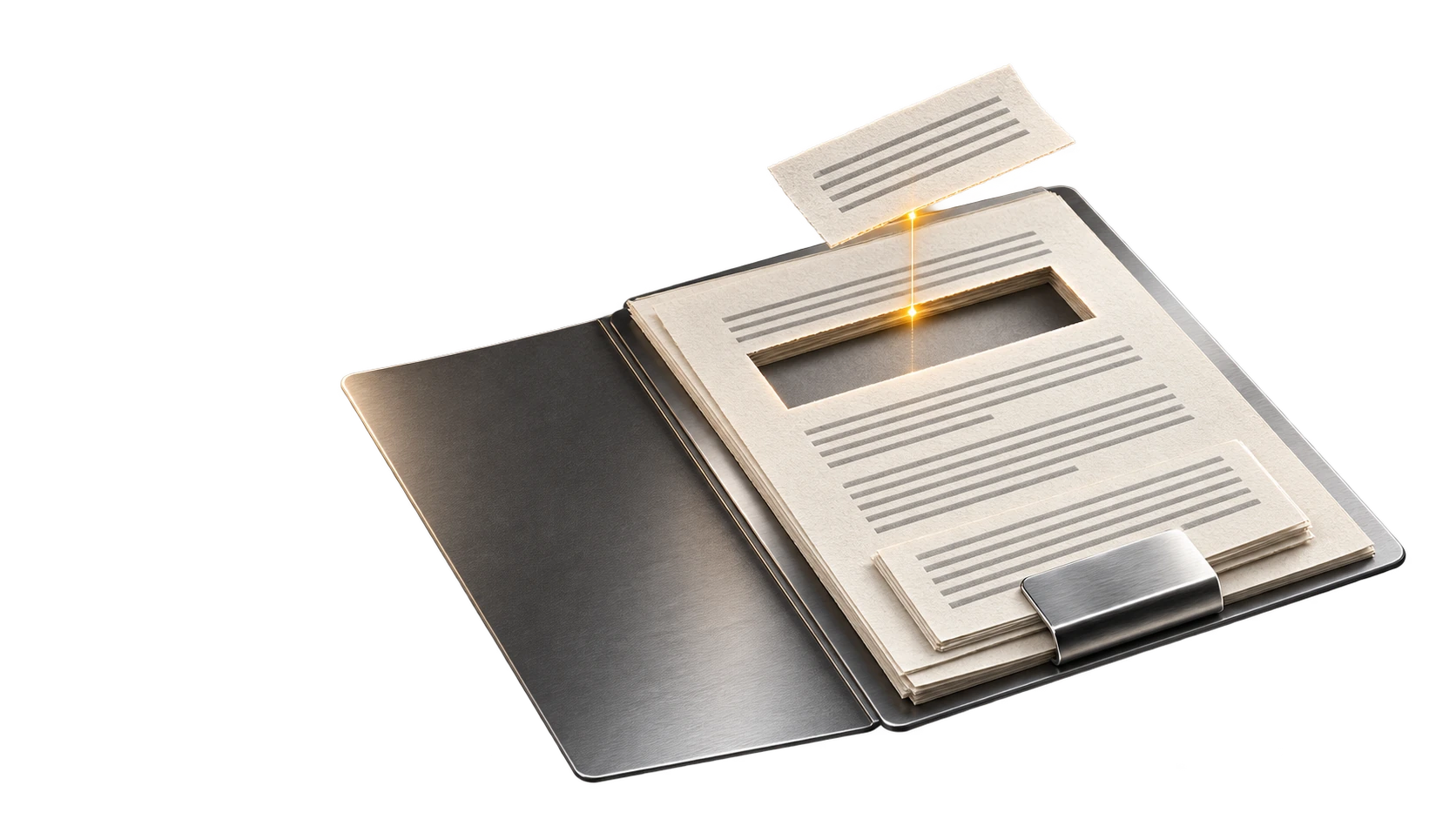
A model that can make a striking first version is useful. A model that understands why you reject half of it can become part of the work. Opus 5.5 is worth evaluating at that second stage: the difficult note, the awkward constraint, the revision that must keep yesterday’s good decisions intact.
What shipped on 22 September
Opus 5.5 is the newest Opus release in Anthropic’s newsroom as checked on 27 September. Anthropic reports a 40% reduction in typical workload cost versus Opus 5 at default settings. That is a vendor-reported workload result, not a universal discount on every task.
The useful distinction is between the model and the environment around it. Access to project files, a browser, code execution or creative software changes what an assistant can actually deliver. An impressive movie of a model operating a tool does not mean the model itself is a video generator.
Sources: Anthropic [1]
The changes that affect an actual workflow
The documentation sets standard API prices at $4 per million input tokens and $20 per million output tokens, with $0.20 cache reads. Default effort is medium. Thinking is adaptive and cannot be disabled; some older tool-calling integrations require migration. These are API details, not Claude subscription prices.
For a small creative team, my starting point would be the default setting on a contained task. Raising effort before defining the acceptance criteria makes a test harder to interpret. Ask for the project, the requested revision and a short explanation of what changed. Then open the deliverable. A persuasive completion message is not the deliverable.
Sources: Claude Platform Docs [2]
An example to inspect: a lens you can explore
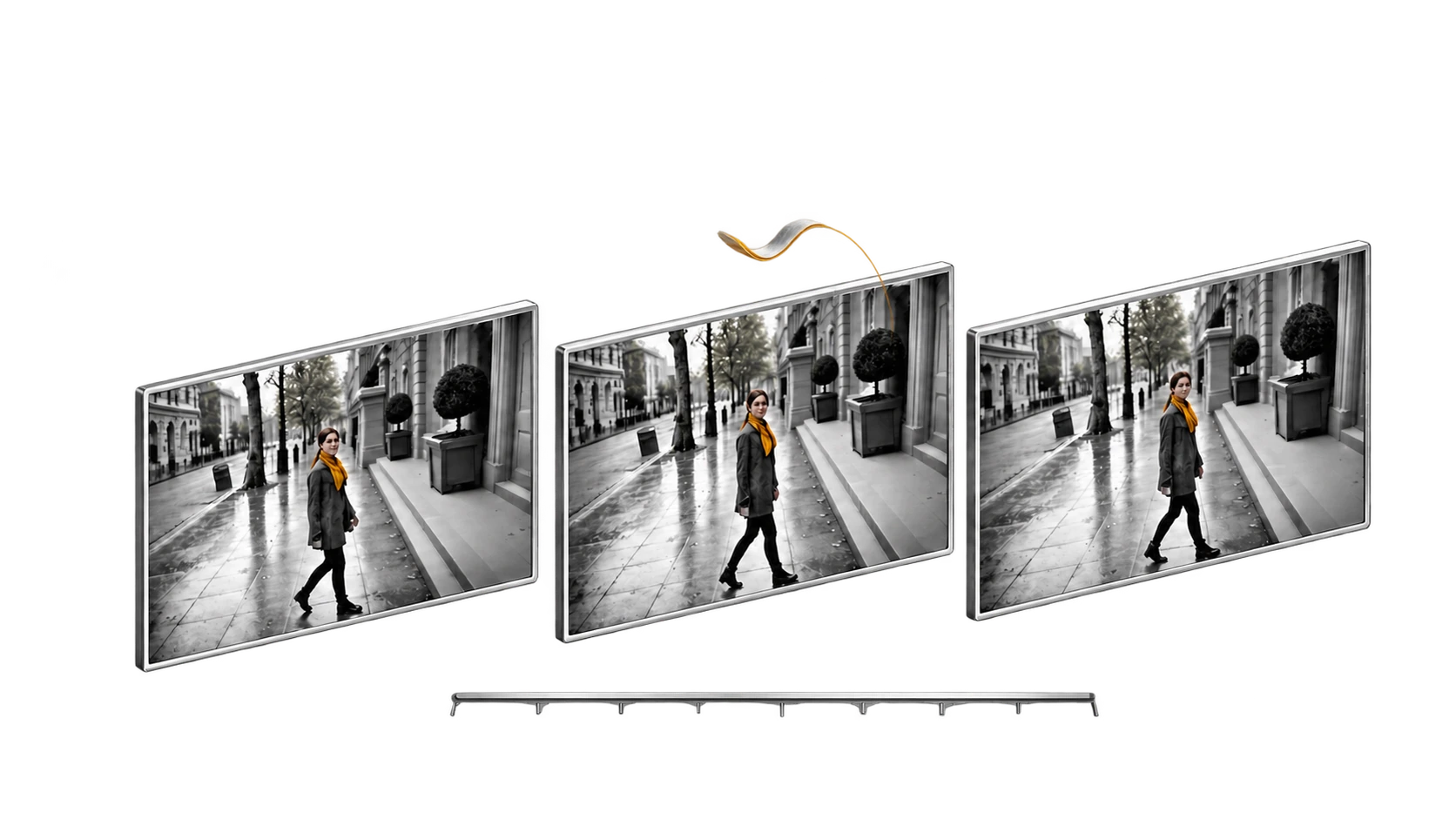
Ryan Sael’s The Plane of Focus is a published interactive lens experiment associated with Opus 5.5. The original post is embedded below; the live project is linked in the sources. Keep the credit attached when sharing it. The design, brief and selection of the result belong in the story alongside the model name.
The creative opportunity here is making an idea understandable through behaviour. An art director could propose a small lighting study; an editor could illustrate alternative scene rhythms; a cinematographer could make a camera move legible to a client. Those are suggested applications. This article does not claim that each has been tested or that the lens demo proves general physical accuracy.
Sources: Ryan Sael [3] · Claude / Thread Reader [4]
The Plane of Focus — an interactive lens lab
The creator’s original post and demonstration on X.
Creator-published example, also highlighted by Claude. A selected demo, not a controlled benchmark. Open the original post for the creator’s process.
A studio test with a meaningful failure condition
Give Opus an existing treatment and ask it to turn one sequence into a reviewable package: a short shot list, camera intentions, continuity notes and an editable presentation. Define the audience, duration and assets before starting. The task should be small enough that a human can examine the whole result.
Then introduce one change: remove a location while keeping the emotional turn and running time. A useful assistant should trace that change through the shot list and presentation. It should not leave an old location in a caption or quietly change the ending to make the paperwork easier. This second pass tests whether the work remains connected.
- Accept: the requested change is complete and previously approved decisions survive.
- Revise: the idea works, but filenames, captions or timing still conflict.
- Reject: the model invents source material, claims an unperformed check or changes the story without saying so.
Where I would start
Opus 5.5 is a sensible candidate for revising creative documents, building small interactive explanations and maintaining custom production tools. That is a recommendation for what to trial, not a personal performance verdict. Its case gets stronger when a team can inspect both the output and the steps needed to repair it.
Run the same bounded assignment with GPT‑6 and keep the accepted files, total cost and human review time. The model that gives your team a clean second draft may be worth more than the one that produces the most spectacular first screenshot. The companion comparison explains how to make that decision without confusing API rates with subscription value.
SOURCES & METHOD
The record behind the article
Checked 27 September 2026. Technical claims are grounded in developer documentation; videos are credited to their creators. Recommendations and proposed tests are editorial analysis. No original comparative testing of these releases was conducted for this article.
- Introducing Claude Opus 5.5 ↗Anthropic · 2026-09-22
- What’s new in Claude Opus 5.5 ↗Claude Platform Docs
- The Plane of Focus ↗Ryan Sael
- Claude’s selected creator experiments — indexed thread ↗Claude / Thread Reader