Films / Analysis
Ben Affleck’s Animals hit No.1 on Netflix in the U.S. Where was the AI?
A chart-topping thriller and an AI admission. What Affleck has actually disclosed, what the ranking measures, and why the most interesting effect may be the one you never notice.





Ben Affleck’s new thriller reached the top of Netflix’s U.S. movie chart after he acknowledged using AI during its production. That combination makes an irresistible headline. It also leaves the most interesting question unanswered: what did the technology change in the image, and what was the filmmaker trying to preserve?
First, a thriller with something to lose
Animals arrived on Netflix on 9 October. Affleck directs, co-writes and plays Mark Kimball, a Los Angeles mayoral candidate whose son is kidnapped. Kerry Washington plays his wife, Abigail. The ransom turns a family emergency into a test of what the couple will do under pressure. Netflix’s official synopsis supplies that premise; it needs no technological novelty to create tension.
For a filmmaker, this is what makes the AI question worth asking. A tense scene depends on where attention goes: the phone that has not rung, the face that stays unreadable, the pause before an answer. A finishing tool earns its place if it helps those choices survive. An impressive transformation can still be the wrong decision for the scene.
Sources: John DiLillo / Netflix Tudum [1]
The AI was supposed to disappear
Reuters reported Affleck’s initial admission from Bloomberg’s Screentime event on 30 September: he had used AI “for lots of things.” He resisted identifying the interventions, describing the risk of breaking the film’s illusion. That remark travelled easily; its vagueness left room for much larger assumptions.
His 9 October interview with Adam Chitwood at TheWrap is more specific. Affleck names lighting and optical adjustments and visual-effects removals in post-production, with changes intended to remain invisible and faithful to the artists’ work. TheWrap reports that the technology used on Animals was trained on the film’s own inputs. Cinematographer Robert Elswit is among the collaborators discussed.
Those disclosures establish a production approach, not a shot-by-shot technical audit. They do not establish how much screen time was altered, which corrections succeeded or how much money was saved. Calling Animals wholly AI-generated would erase precisely the distinction that needs investigating: working on recorded material still leaves crucial questions about what changed and who approved it.
Sources: Reuters [3] · Adam Chitwood / TheWrap [2]
No.1 has a place and a timestamp
Tom’s Guide placed Animals first in Netflix’s U.S. movie list in its snapshot at 11 a.m. ET on 10 October. That is the specific ranking behind this headline. It is a country-level snapshot, not a confirmed global weekly victory. Netflix’s separate weekly Top 10 covers Monday through Sunday and is published on Tuesdays.
A rank cannot tell us why someone pressed play. The star, premise, homepage placement and curiosity about AI are competing explanations, not measured causes here. Nor does watching establish approval of a production method. A film can attract attention while dividing its audience. The useful conclusion is modest: disclosed AI use and a strong chart position can coexist.
Sources: Alyse Stanley / Tom’s Guide [4] · Netflix [5]
Affleck also has a stake in the argument
Netflix announced its acquisition of Affleck’s InterPositive on 5 March, bringing in the team and retaining him as a senior adviser. In that announcement, Affleck described developing tools around filmed material and preserving creative intent. This is relevant context: the director explaining the workflow also founded the business behind it.
That connection deserves disclosure without turning it into an accusation. A practitioner can build a useful tool and have a commercial interest in its adoption. The response is to ask for evidence at the right level: a documented change, comparable versions and an account of the human work involved. Enthusiasm and scepticism both become more useful when they have something concrete to inspect.
Sources: Netflix / Ben Affleck [6]
The breakdown worth seeing next
Imagine a production breakdown showing a single shot before and after a lighting correction. Keep the cut, framing and playback speed identical. Explain the note, show what the tool changed, then identify what the cinematographer and finishing team accepted or repaired. That would let another filmmaker judge whether the image became more useful to the story. It is the demonstration I would ask for, not one reviewed for this article.
The same specificity should apply to permissions. A statement about training inputs does not reveal every contract, consent or licence in a production. Viewers cannot audit those arrangements by looking for visual artefacts, and this article does not certify them. The published account gives us a workflow to discuss; the underlying agreements remain outside our view.
Animals gives the industry a better question than whether an AI-assisted film can reach the top of a chart. It asks what kind of assistance is worth having. For a director, the compelling promise is precise: keep the performance, preserve the intention, solve the problem in the shot. The next useful piece of evidence would show exactly how close the tool got.
SOURCES & METHOD
The record behind the article
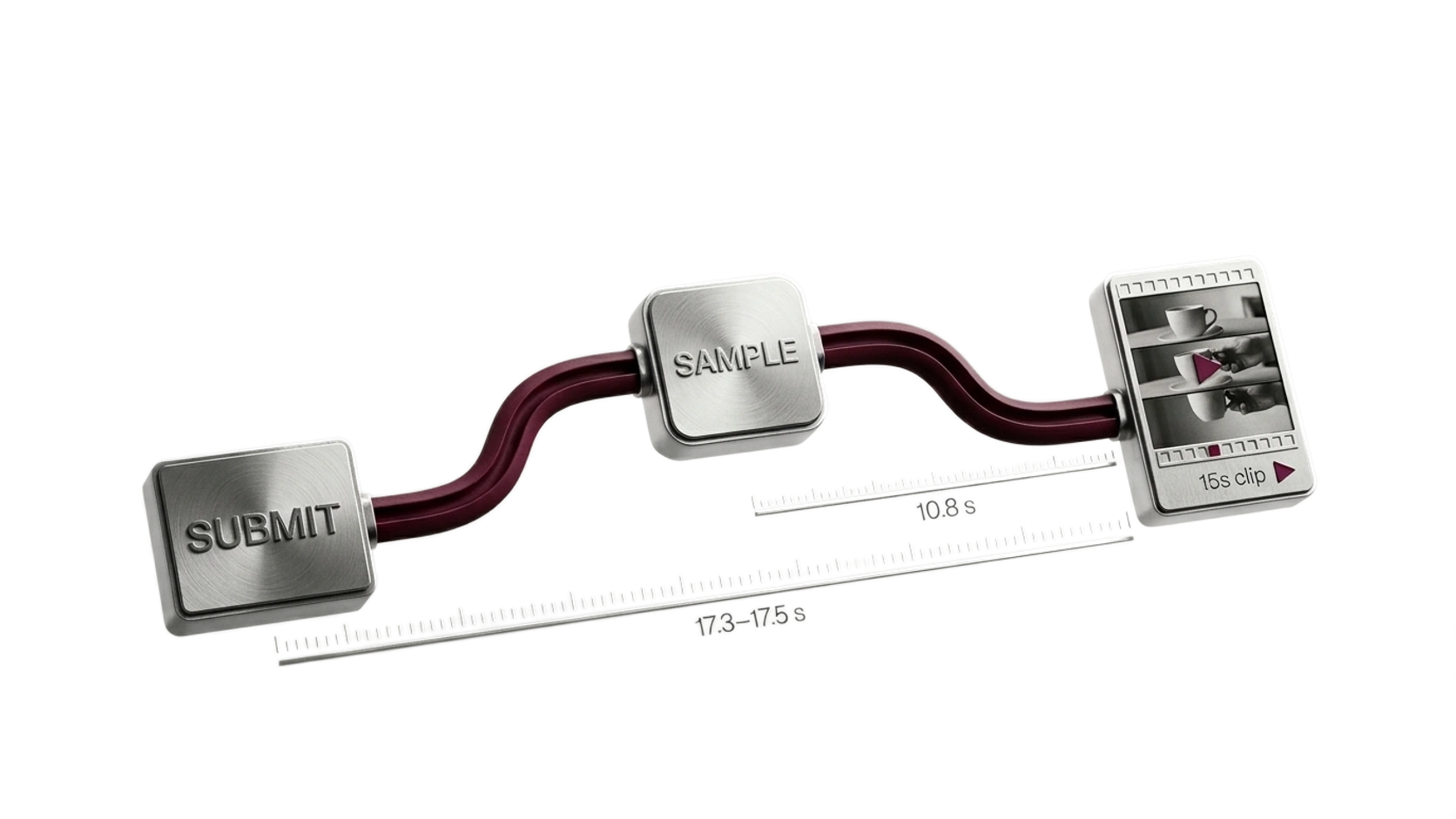
Sources checked 11 October 2026. Independent analysis of published reporting and filmmaker statements; not a review of the full film or an audit of its production, contracts or AI systems. The No.1 claim refers to Tom’s Guide’s U.S. movie-chart snapshot of 10 October at 11 a.m. ET. The proposed shot comparison is an editorial suggestion. No film stills, publicity photographs or third-party video files are reproduced. The cover is an original object-based AI illustration about post-production. It contains no actor likeness, film still or official poster elements and does not document an actual production comparison.
- Animals: release, story and cast ↗John DiLillo / Netflix Tudum · Updated 9 October 2026
- Ben Affleck on reworking Animals and using AI — original interview ↗Adam Chitwood / TheWrap · 9 October 2026
- Ben Affleck reveals he used AI in new movie Animals ↗Reuters · 2 October 2026; event 30 September
- Netflix U.S. Top 10 snapshot — 10 October, 11 a.m. ET ↗Alyse Stanley / Tom’s Guide · 10 October 2026
- Top 10 things to know about Netflix Top 10 ↗Netflix · Updated 20 June 2023; checked 11 October 2026
- Why InterPositive is joining Netflix ↗Netflix / Ben Affleck · 5 March 2026
- The social post that prompted this source check ↗Dave Clark / @Diesol · 11 October 2026; supplied post and screenshots