Tools / Analysis
Kling 4.0 Image comes to fal with 8K and text-heavy layouts
The new image endpoints handle generation, image-to-image work and elongated layouts. We look at what the launch says about typography and what a real design test would need to measure.
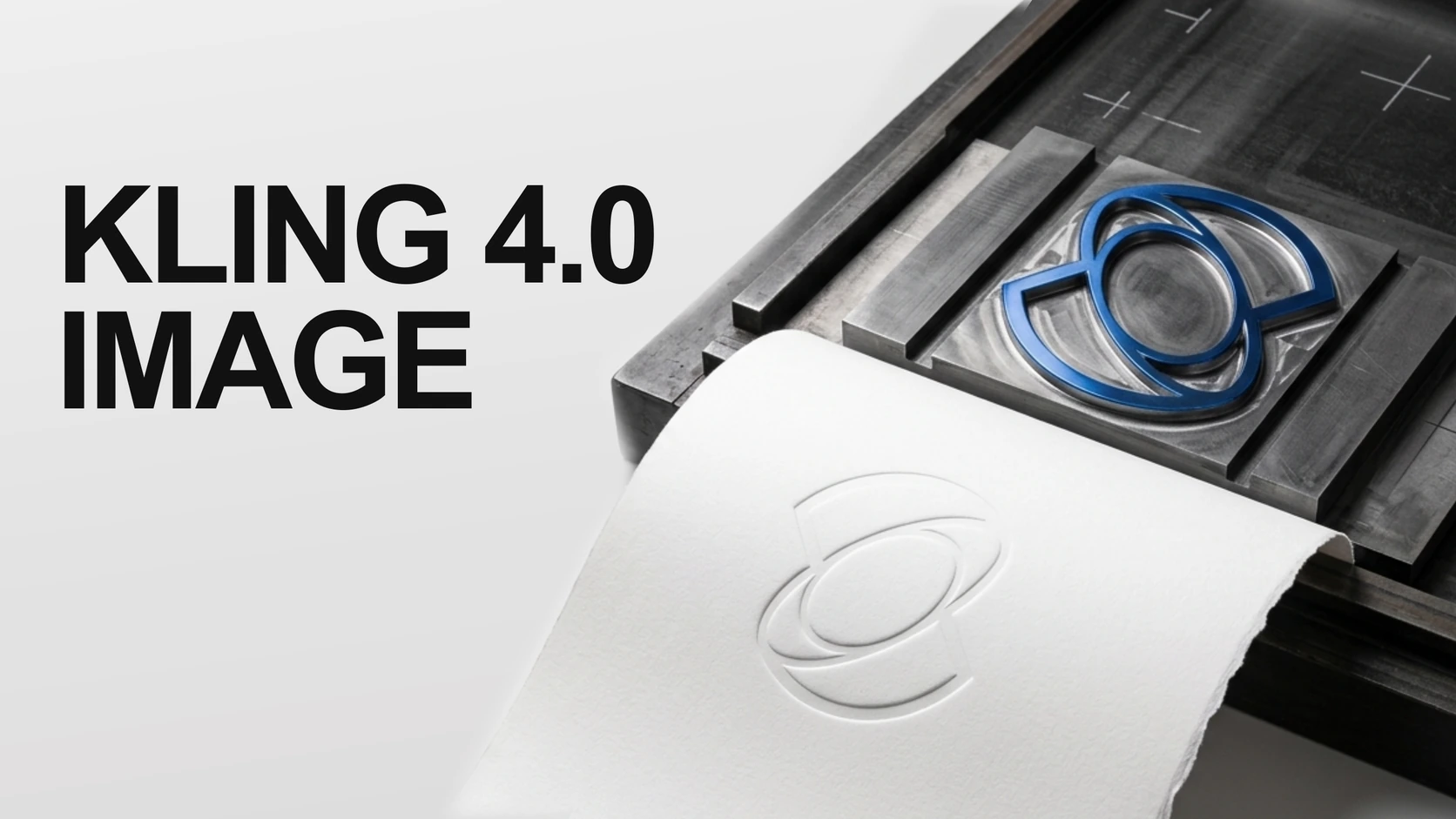
On November 17, fal added Kling 4.0 Image to its API. The platform lists three endpoints: text-to-image, image-to-image and Long Image. In the launch announcement, fal advertises native 8K and layouts containing up to 2,000 characters of text.
For a cover or a lookbook, the revealing part is how those promises intersect. A headline can be easy to read at full size and still disappear in a feed. The question for a working layout is whether the model keeps the spelling, line breaks and margins together when the format changes.
Three entry points for an image
Text-to-image starts from a description. Image-to-image gives the request an existing visual to work from. Long Image is a dedicated option for an elongated composition. fal presents them as separate API endpoints, so check the settings for the endpoint you plan to use before budgeting a batch or promising output dimensions.
The announcement gives a concrete starting point for evaluating the rollout. Look for the text and layout examples, then use the linked endpoint pages to check which controls the provider exposes for each workflow.
Sources: fal [1] · fal [2] · fal [3] · fal [4] · fal [5]
fal’s Kling 4.0 Image announcement
Loading post from X…
The provider describes its launch claims and examples in the post. Open the original if the embed is unavailable.
A second place to try Kling, and two independent rankings
On November 19 Kling announced that Image 4.0 was also available on Morphic. That morning Artificial Analysis placed it seventh in text-to-image generation and sixth in image editing. The two rankings answer different questions. Editing starts from an existing picture, so keeping the parts a designer wants to preserve can matter as much as changing the part they asked for.
Sources: Kling AI [6] · Artificial Analysis [7]
What to check before putting the image on a cover
The 2,000-character figure in the announcement is a capability claim. It does not specify how often spelling survives or how the model handles small type and multiple languages. The 8K figure describes output resolution. We did not run a paid generation or measure either claim.
A useful trial would use one actual headline, a short caption and a credit line, with separate English and Ukrainian versions. Compare the generated text with the copy at full size, then check the same images at feed width. Run the approved composition again through image-to-image and see whether the requested change moves nearby type. That exercise would tell an editor how much of the layout can survive revision.
Sources: fal [1]
SOURCES & METHOD
The record behind the article
Checked 19 November 2026. Technical claims are grounded in developer documentation; videos are credited to their creators. Company claims and third-party reviews are attributed in the text; conclusions are editorial analysis. No original comparative testing of these releases was conducted for this article.
- Kling 4.0 Image goes live on fal fal · 2026-11-17
- fal links the three Kling 4.0 Image endpoints fal · 2026-11-17
- Kling 4.0 Image: text-to-image endpoint fal
- Kling 4.0 Image: image-to-image endpoint fal
- Kling 4.0 Image: Long Image endpoint fal
- Kling Image 4.0 arrives on Morphic Kling AI · 2026-11-19
- Kling Image 4.0 in the generation and editing rankings Artificial Analysis · 2026-11-19