The director’s view
Codex’s reset button is real. Here’s the story behind it.
A silver panel, an OpenAI logo and a handle you pull. Vaibhav Sisinty’s new clip brings Tibo’s unusual desktop device back into view. The original posts explain where the story began.


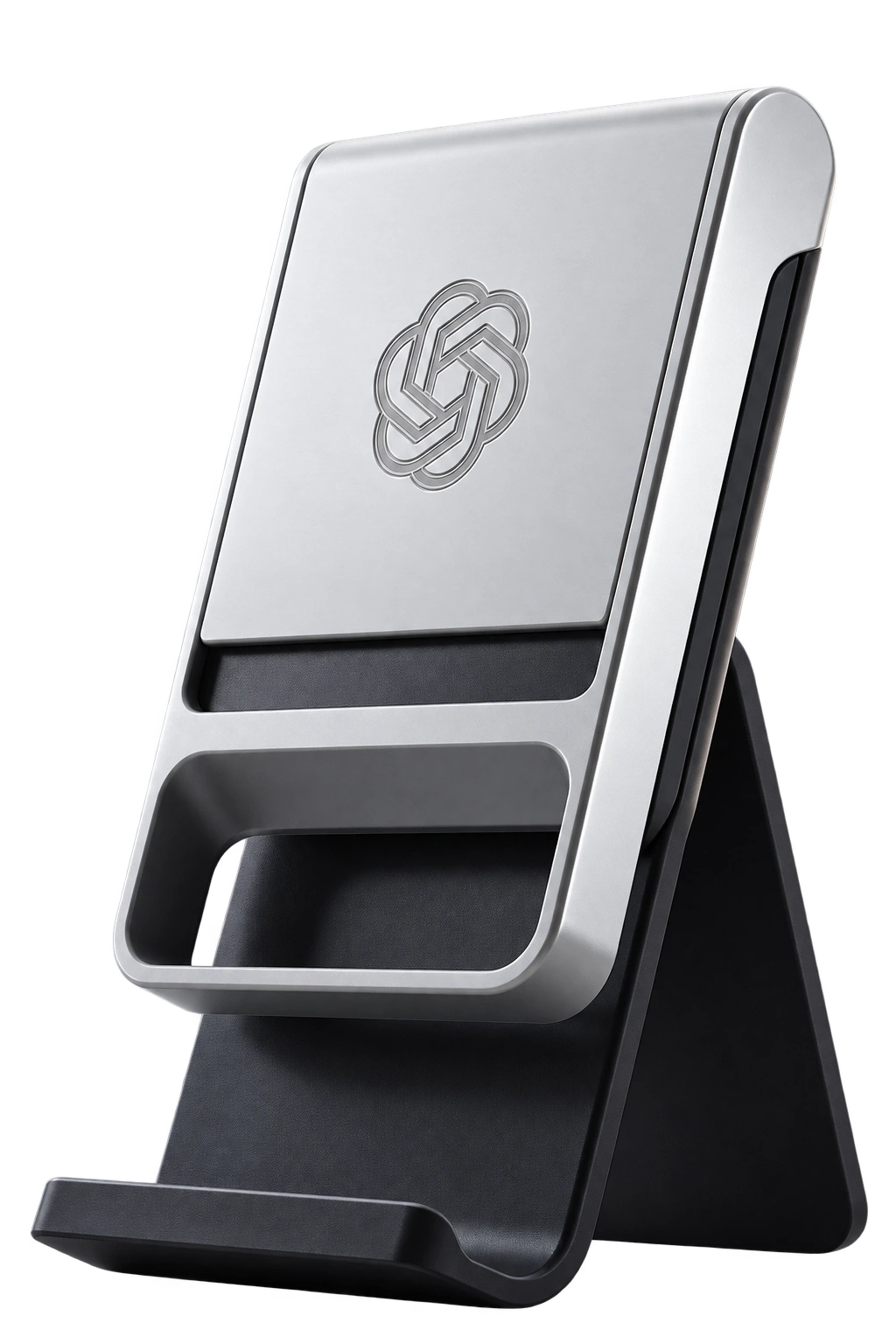
The device looks almost too carefully designed for an internet joke: a silver faceplate, a dark stand and a rectangular handle beneath the OpenAI logo. In the frames from Vaibhav Sisinty’s September clip, someone holds the object and demonstrates its moving lower grip. The physical reset button is a real object.
What makes it interesting is the context. Codex users already know reset as something that restores usage after a limit is reached. Tibo’s device gives that familiar word a surprisingly substantial form. To understand the attention around it, start with the August photo, then the new demonstration—not with speculation about what is connected inside.
The clip that brought it back
On 29 September, Vaibhav Sisinty posted a short video of the device and announced a longer conversation with Tibo for the following day on X and YouTube. His caption also teased updates without naming them. The useful new detail is the close encounter with the object: the desk photograph has become something someone can pick up and operate.
The movement is in the lower rectangular grip, which travels down along the body. That is the distinctive detail in the supplied video frames. The broad upper panel stays visually separate from the part being handled; the dark stand makes the whole assembly legible on a desk.
Sources: Vaibhav Sisinty / X [1]
Watch: the physical reset device
The creator’s original post and demonstration on X.
Vaibhav Sisinty’s demonstration and interview teaser, posted on 29 September.
Tibo had shown it a month earlier
Tibo had already shown the device on 19 August. It stood on a wooden table beside the blue Codex mascot, with a plant and window behind it. His caption said it had not been used yet and placed the mascot there for scale. The August post predates Sisinty’s clip by more than a month.
The ordinary setting matters. A branded object photographed beside a soft toy is easier to place than an isolated concept render. You can read its proportions and imagine it within reach. The September post renewed the attention; it did not introduce an object nobody had seen before.
Sources: Tibo / @thsottiaux [2]
The August photograph
The creator’s original post and demonstration on X.
Original photograph posted by Tibo on 19 August, with the Codex mascot for scale.
Tibo added his own image to the story
Later that same day, Tibo posted a depiction of himself receiving the item, calling it important. It extends the playful framing established by the desk photo. His own description is worth retaining: this is a depiction, so it should not be presented as documentary evidence of a formal handover.
Sources: Tibo / @thsottiaux [3]
Tibo’s depiction of receiving the device
The creator’s original post and demonstration on X.
An image post described by Tibo as a depiction of receiving the item.
Why the word reset has an audience
There is a concrete software story behind the word. On 23 August, Tibo described unexpectedly high Codex usage associated with images in long sessions, Computer History and conversation-title generation. He said fixes were being prepared and announced a full usage reset for paid subscriptions as part of that work.
For someone whose work has stopped at a usage limit, a reset has an immediate consequence: they can continue. That is enough context to explain the interest in a physical control carrying the same name. It turns an account update into an object people can recognise and discuss.
The physical device and those usage announcements are related in the public story. The posts reviewed here do not establish whether pulling this particular handle actually triggers a service-wide reset. That connection remains unverified.
Sources: Tibo / @thsottiaux [4] · Vaibhav Sisinty / X [1] · Tibo / @thsottiaux [2]
A simple object with a memorable silhouette
For me, the design holds the story together. The faceplate and OpenAI mark identify it immediately; the lower handle gives the hand a clear place to act. The contrast between the light front and dark support keeps both parts readable. Very little competes for attention.
That is why I would keep the original photograph beside the demonstration. The photo explains the object; the clip supplies the gesture. Together they make this a small, specific story about Codex culture that you can understand without a model benchmark or a speculative hardware roadmap.
Sources: Tibo / @thsottiaux [2] · Vaibhav Sisinty / X [1]
SOURCES & METHOD
The record behind the article
Updated 30 September 2026. Original X captions and dates were checked directly. The device description uses Tibo’s photograph and the supplied still frames from Sisinty’s clip; video playback was unavailable during the check. The design reading is editorial analysis.
- The reset button demonstration and interview teaser ↗Vaibhav Sisinty / X · 2026-09-29
- The device pictured with the Codex mascot ↗Tibo / @thsottiaux · 2026-08-19
- A depiction of receiving the device ↗Tibo / @thsottiaux · 2026-08-19
- Codex usage fixes and a reset for paid subscriptions ↗Tibo / @thsottiaux · 2026-08-23