Tools / Analysis
Inkling 2 Mini takes three passes and fits on a laptop
Thinking Machines released the Apache 2.0 weights of a model that loops through its middle layers. Its researchers built a flight simulator with it on a MacBook in airplane mode.
Thinking Machines Lab released Inkling 2 Mini on November 20. The lab reports a memory footprint of about 20 GB and the lab supports it through Ollama on Apple silicon Macs with at least 32 GB of memory. The weights are available under Apache 2.0 and the company also serves the model through its Tinker platform. The release gives small teams a model that accepts text and images and can run locally while they work on code.
A flight simulator without a connection
One of the lab’s demonstrations took place in airplane mode. On a MacBook Pro with 48 GB, the model built a flight simulator that the researchers then played. The timer in the recording shows elapsed time. Most of the footage is sped up 15×. A second demo, Thinkyville, shows a pixel town with 20 characters driven by the same local model. The examples make the potential concrete. A developer can use a local model both to create a toy world and to supply dialogue or behavior for its inhabitants.
Sources: Thinking Machines Lab [1] · Hugging Face [2]
A flight simulator built offline
The elapsed-time clock stays visible while most of the publisher’s footage runs at 15×.
Thinkyville’s local characters
The publisher demonstrates 20 simulated residents running from one local model.
Three passes through the middle
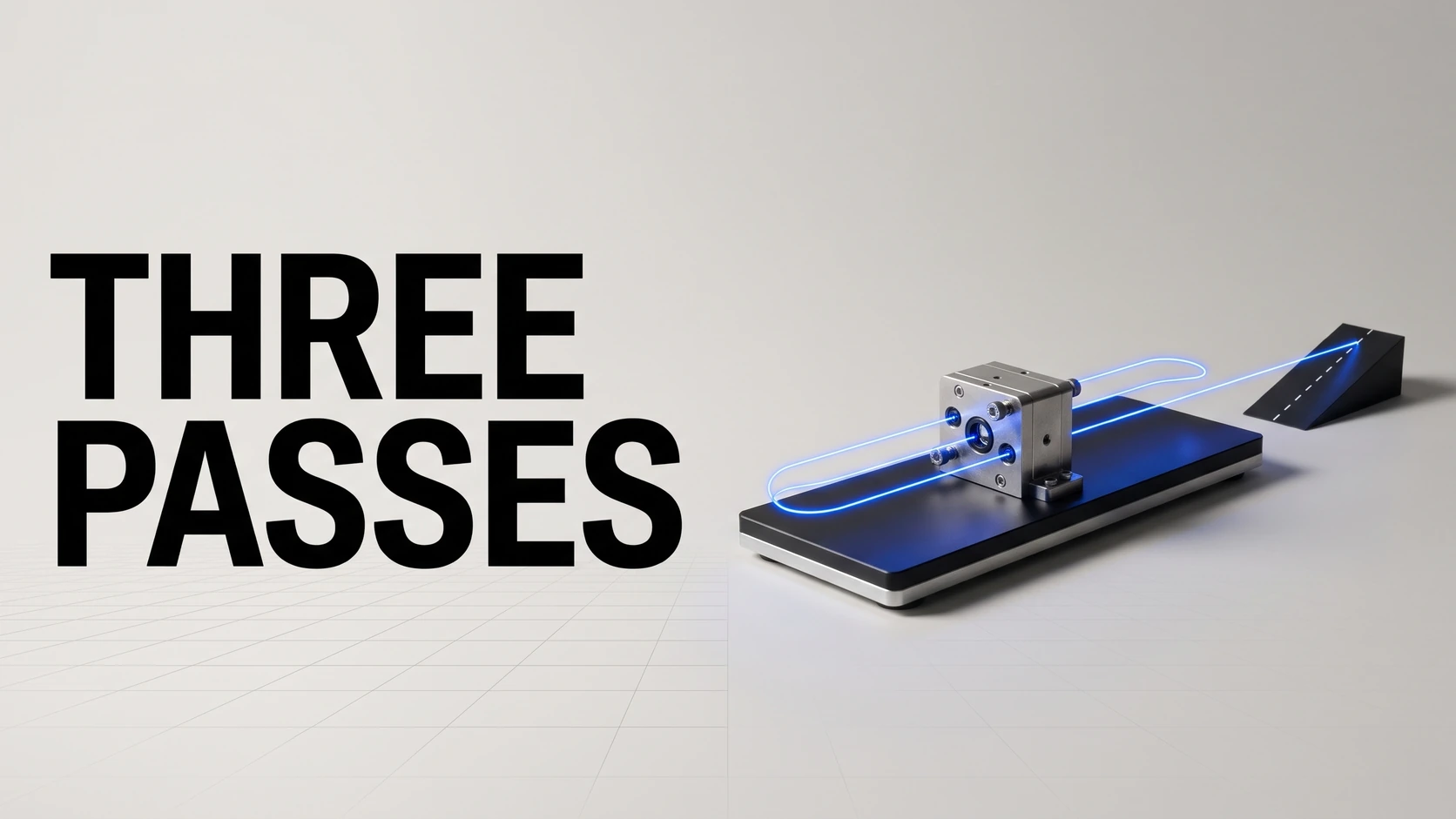
The trick is in the transformer. For each token it generates, Inkling uses the middle layers three times. It stores 26.4 billion parameters, with 3.4 billion active per token in a single pass. Counting the repeated work gives 5.4 billion weight activations per token. Running some of the same layers again gives the model more computation without requiring another distinct copy of their weights. Thinking Machines also released a research checkpoint with an adjustable number of loops, which lets researchers measure what changes as they repeat the middle layers more times.
Sources: Thinking Machines Lab [3] · Goodfire [4]
What the tests measure
The lab reports 48.2% on DeepSWE v1.1 and 46.5% on Vals Index v2.2. These are benchmark figures from the release, and the comparison uses different evaluation setups for some models. Hardware is another variable. A 20 GB memory footprint makes local inference possible on supported hardware. Speed depends on the machine, runtime and context length. For a team prototyping offline, the promising fact is that the weights run locally and are available to try on its own work.
Sources: Thinking Machines Lab [5] · Hugging Face [6]
SOURCES & METHOD
The record behind the article
Checked 21 November 2026. Technical claims are grounded in developer documentation; videos are credited to their creators. Company claims and third-party reviews are attributed in the text; conclusions are editorial analysis. No original comparative testing of these releases was conducted for this article.
- Thinking Machines Lab Thinking Machines Lab
- Model card and weights Hugging Face
- Architecture and training Thinking Machines Lab
- Goodfire’s early-access study Goodfire
- Capabilities and limits Thinking Machines Lab
- Hugging Face’s integration notes Hugging Face