Tools / Analysis
Gemini reaches Android Go phones with 2 GB of RAM
Google rebuilt its mobile app for lower-memory phones. Owners can ask about a photograph or hold a conversation in Gemini Live, with a few differences in how they start.
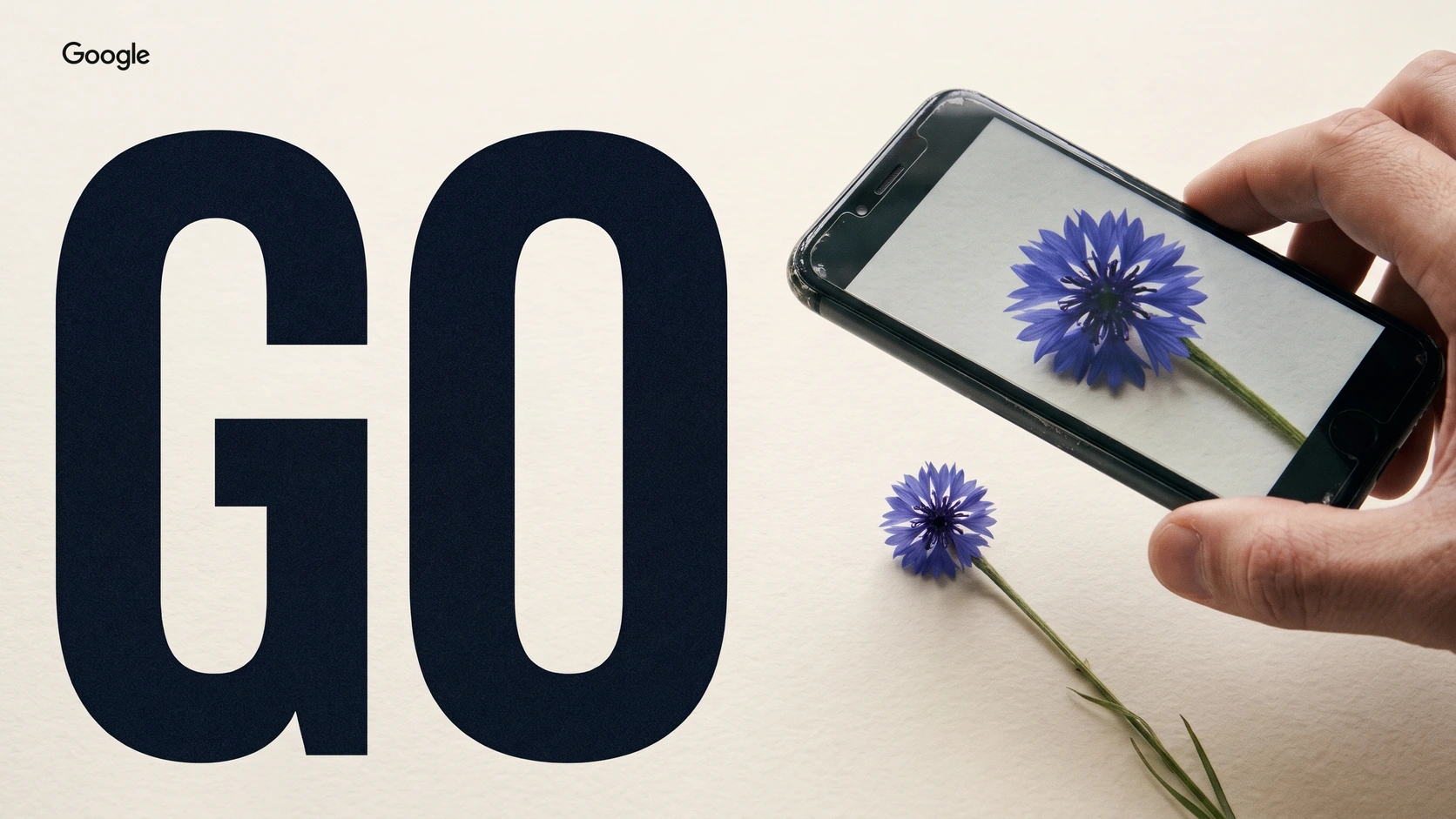
A photograph of a paper form is a different starting point from a voice command. Instead of trying to describe a field over the phone, someone can take a picture and ask what it means. On November 18 Google brought that option to eligible Android Go phones, alongside live voice conversations and Nano Banana image generation. Its support page puts the threshold at 2 GB of RAM.
Where the new assistant lives
Gemini replaces Assistant for Android Go. Google says the new experience is part of the Google Search app on these phones. An owner can update that app from Google Play or download Gemini separately. Access requires a personal Google account or a work or school account with Gemini enabled, in a supported language and country.
To call it up, hold the Home button or, on supported models, the power button. The device guide explicitly excludes the “Hey Google” wake phrase and the “Ask about this screen” shortcut on Go edition. A camera question still works: the user supplies a photo rather than asking the assistant to inspect whatever is already on screen.
Sources: Google [1] · Google [2] · Google Gemini [3]
Google announces Gemini for lower-memory phones
Loading post from X…
The November 18 announcement describes a redesign of the mobile app. Google’s device guide gives the exact RAM requirement.
A conversation and a camera on the same phone
Google lists Gemini Live conversations in more than 45 languages. Someone practising for an interview can answer aloud and continue the exchange, while a person reading a form can take a photo for translation. Nano Banana adds a different output altogether: the same handset can request a new image for a flyer.
Google attributes the broader reach to changes in the app. The 2 GB figure describes the handset that can use the service. It tells us nothing about how much memory the underlying image or language model requires. For an owner deciding whether to try it, the simple checks are the Android edition, the available account and the RAM already in the phone.
Sources: Google [1] · Google [2]
SOURCES & METHOD
The record behind the article
Checked 19 November 2026. Technical claims are grounded in developer documentation; videos are credited to their creators. Company claims and third-party reviews are attributed in the text; conclusions are editorial analysis. No original comparative testing of these releases was conducted for this article.